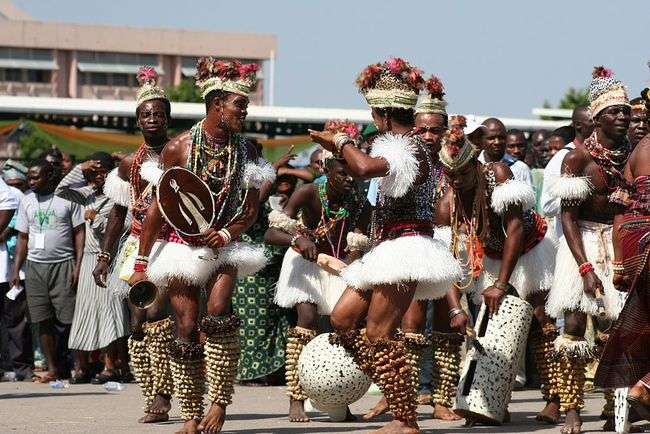
History of the Igbo in Georgia
The journey of Ndị Igbo in Georgia—from the transatlantic slave trade to a thriving, organized diaspora—is a story of endurance, cultural resilience, and community-building.
Introduction
The story of the Igbo people in Georgia is a profound narrative of endurance, cultural resilience, and community-building. It spans more than two centuries—from the forced arrival of Igbo captives during the transatlantic slave trade to the vibrant, organized Igbo diaspora that thrives in Georgia today. This history reflects both the suffering and the triumph of a people whose identity, values, and cultural heritage have remained remarkably strong across generations.
18th–19th Century: Early Igbo Presence
The earliest documented presence of the Igbo in Georgia dates to the era of the transatlantic slave trade. Between the 1700s and 1800s, a significant number of enslaved Africans brought to the American South originated from the Bight of Biafra, a region where the Igbo constituted the dominant population. Historical shipping records, plantation documents, and oral traditions confirm that many of these individuals were transported to coastal Georgia, particularly through the port of Savannah.
The Igbo were known for their strong cultural traditions of independence, communal governance, and resistance to oppression. These traits shaped their experiences in Georgia and contributed to a legacy of defiance against enslavement that remains central to African American memory.
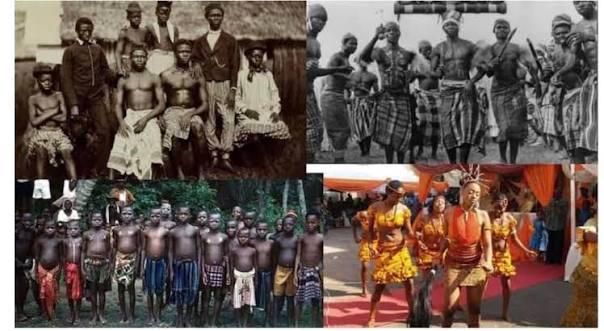
The 1803 Igbo Landing: A Defining Moment of Resistance
The 1803 Igbo Landing: A Defining Moment of Resistance One of the most significant events in Georgia’s history—and indeed in the entire history of the transatlantic slave trade—is the Igbo Landing on St. Simons Island in May 1803. Approximately seventy-five Igbo captives, newly purchased in Savannah, were being transported aboard the Schooner York to coastal plantations when they rose in collective resistance.
According to historical accounts and Gullah Geechee oral tradition, the Igbo overpowered the crew, grounded the vessel at Dunbar Creek, and, led by their spiritual leader, chose to walk into the water rather than submit to enslavement. Their final act of defiance has been preserved for generations as a symbol of courage, dignity, and the unbreakable spirit of the Igbo people.
Igbo Landing is recognized today as:
One of the largest mass acts of resistance by enslaved Africans in American history
A sacred site of remembrance for African Americans, the Gullah Geechee community, and the global Igbo diaspora
The origin of the “Flying Africans” legend, representing spiritual liberation and ancestral resilience

Igbo Cultural Influence on Coastal Georgia
Despite the brutality of enslavement, Igbo cultural traditions left a lasting imprint on the communities of coastal Georgia. The Gullah Geechee people—descendants of enslaved Africans in Georgia and South Carolina—preserved many Igbo cultural elements, including:
Communal decision-making practices
Folklore and spiritual beliefs
Naming conventions
Agricultural techniques
Linguistic patterns within Gullah Creole
These cultural survivals demonstrate the enduring influence of Igbo heritage in the region and highlight the ways in which enslaved Africans maintained identity and community under oppressive conditions.

Modern Igbo Immigration to Georgia (1970s–Present)
The contemporary Igbo community in Georgia began to take shape following the U.S. Immigration and Nationality Act of 1965, which opened new pathways for African professionals and students. Beginning in the 1970s, Igbo immigrants arrived in Georgia to pursue higher education, professional careers, and new opportunities for their families.
Over the decades, the Igbo population in Georgia—especially in Metro Atlanta—has grown significantly. Today, Igbo families are well established in counties such as Cobb, Fulton, Gwinnett, Clayton, and Douglas, contributing to the state’s cultural, economic, and civic life.
Key features of the modern Igbo presence include:
Professional excellence across medicine, engineering, business, academia, and public service
Strong cultural organizations and unions
Igbo churches and community centers
Annual cultural celebrations, conventions, and youth programs
Active preservation of Igbo language, customs, and values
The Role of Igbo Union Atlanta, Georgia
Igbo Union Atlanta stands as a central institution in the modern history of the Igbo people in Georgia. The Union provides a structured platform for cultural preservation, community support, leadership development, and intergenerational continuity. Through its programs, events, and outreach, the Union ensures that Igbo heritage remains vibrant and visible within the broader Georgia community.
The Union’s mission reflects the core values of the Igbo people:
Unity (Udo na Oganihu)
Cultural pride (Omenala na Omenani)
Service to community (Igwebuike)
Respect for tradition and leadership (Ndu na Nduzi)
By fostering connection among families, supporting youth development, and promoting cultural education, Igbo Union Atlanta continues the legacy of resilience and excellence that began centuries ago.
Conclusion
The history of the Igbo in Georgia is a story of transformation—from forced arrival and resistance, to cultural survival, to modern achievement and organized community life. Today’s Igbo families in Georgia stand as living heirs to this legacy, carrying forward the strength, dignity, and heritage of their ancestors.
Through institutions like Igbo Union Atlanta, the Igbo community honors its past while building a future rooted in unity, cultural pride, and collective progress."
Photo Gallery